
Your server crashes at 2 p.m. on a Tuesday. Ransomware locks every file. A water pipe bursts and floods your server room. An employee accidentally deletes client records. A power surge fries your hardware.
Any of these could happen tomorrow. Without a disaster recovery plan and proper data backup solutions, the only question that matters is: Can you recover?
What Is Backup and Recovery for Business?
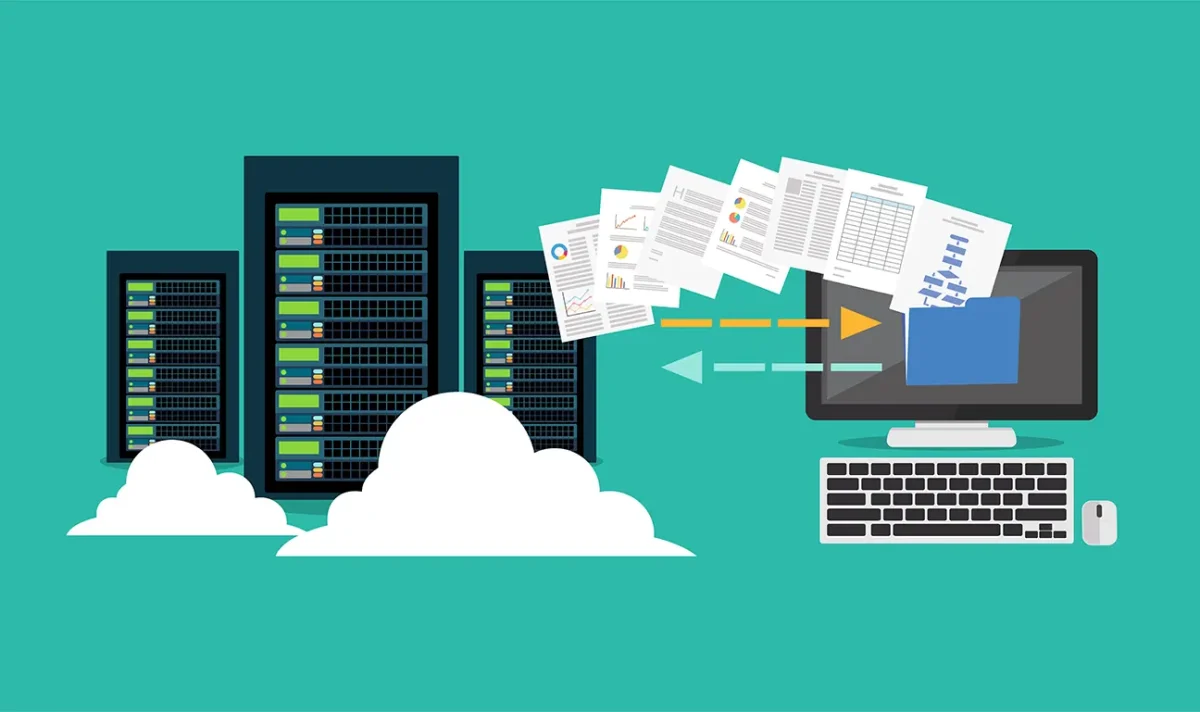
Backup and recovery is your insurance policy for business continuity. Data backup solutions create copies of your critical information and store them safely away from your primary systems. Disaster recovery is the ability to restore that data and get your business operational again when disaster strikes.
A solid business continuity plan covers your files, databases, email systems, applications, user settings and the entire operating environment. It defines your recovery time objective (how fast you can get back online), your recovery point objective (how much data you can afford to lose) and who does what when systems go down.
The Cost of Not Having a Disaster Recovery Plan
Companies without proper backup and recovery don’t just lose data. They lose everything.
Your business stops operating. No access to customer records means you can’t serve clients. No financial data means you can’t process payments or payroll. Every hour of downtime costs money, and for small businesses, extended downtime often means permanent closure. Data loss prevention starts with a tested disaster recovery plan.
Data disappears forever. Ransomware destroys files. Hardware failures corrupt data beyond repair. Without reliable data backup solutions, years of customer information, financial records and business-critical documents vanish instantly.
Recovery takes weeks instead of hours. Companies scrambling to rebuild from scratch face massive delays recreating data, reinstalling applications and reconfiguring settings. Even if you eventually recover, the time lost kills client relationships and momentum.
Compliance violations pile up. HIPAA requires healthcare organizations to maintain and restore patient records. Financial regulations demand transaction history preservation. Losing data you’re legally required to keep brings regulatory fines on top of operational disaster.
Trust evaporates. Clients who trusted you with their information don’t forget when you can’t protect or recover it. Your reputation as a reliable business gets destroyed along with your data.
Why Regular Backup Testing Is Essential
Most companies that think they have backups don’t actually have working disaster recovery solutions. They have files sitting somewhere that may or may not be complete, current or recoverable.
Backups fail silently. Your system might run every night and report success, but the data could be corrupted or incomplete. You won’t discover this until you desperately need to restore something.
Recovery procedures break. Software updates change configurations. Staff who knew the process leave. Documentation gets outdated. Without regular disaster recovery testing, your recovery plan becomes theoretical rather than practical.
Recovery takes longer than you think. Large data sets take time to transfer. Applications need reconfiguration. Backup testing reveals your actual recovery time so you know whether your business continuity plan meets operational needs.
You discover gaps before they matter. Testing uncovers what’s not being backed up or what can’t be restored. Finding these gaps during a test is inconvenient. Finding them during a real disaster is catastrophic.
Your team knows what to do. When crisis hits, you don’t want people reading documentation for the first time. Regular testing trains your team on disaster recovery procedures and ensures everyone knows their role when every minute counts.
Professional Backup and Recovery Services
F1 IT specializes in taking technology challenges off your hands so you can focus on running your business. Backup and disaster recovery is one of those areas where expertise matters, because doing it wrong means finding out too late.
We design data backup solutions that match your specific needs. We implement automated cloud backup systems that capture everything critical without slowing operations. We store backups securely with encryption and offsite redundancy so disasters that hit your primary location don’t destroy your recovery options.
But more importantly, we conduct regular disaster recovery testing. We verify backups work by actually restoring data and systems on a schedule. We document recovery procedures clearly, train your team and continuously monitor backup systems to catch failures before they become emergencies.
Serving businesses is what we do. We’re compassionate, trustworthy and drama-free. We put in the work, take pride in what we do and always strive to exceed expectations, because that’s who we are.
Protect Your Business With a Tested Disaster Recovery Plan
Every business needs a backup and recovery plan. Not because disasters are common, but because even one disaster without proper data backup solutions ends your business.
Ready to implement a business continuity plan that protects your data? Contact F1 IT for a free backup and recovery assessment. Let’s build a disaster recovery solution that actually works when you need it most.
Because your business deserves better than finding out your backups don’t work during a crisis.
Frequently Asked Questions About Backup and Recovery
How often should businesses back up their data?
Most businesses should perform daily backups at minimum, with critical systems backed up multiple times per day. The frequency depends on how much data you can afford to lose and your industry’s compliance requirements.
What is the 3-2-1 backup rule?
The 3-2-1 rule is a best practice for data backup: keep three copies of your data, on two different types of media, with one copy stored offsite or in the cloud. This protects against hardware failures, natural disasters and ransomware attacks.
How long does disaster recovery take?
Recovery time varies based on data volume and system complexity, but properly tested disaster recovery plans typically restore critical systems within hours, not days or weeks. Without testing, recovery can take significantly longer.
What is the difference between backup and disaster recovery?
Backup is the process of copying data to protect against loss. Disaster recovery is the comprehensive plan and procedures for restoring all systems, data and operations after a catastrophic event. You need both for complete business continuity.
Do small businesses really need disaster recovery planning?
Yes. Small businesses are actually more vulnerable because they typically lack the resources to recover from major data loss. Studies show that 40 to 60 percent of small businesses never reopen after a significant data disaster.
What should be included in a business continuity plan?
A complete business continuity plan includes data backup procedures, disaster recovery steps, recovery time objectives, recovery point objectives, employee responsibilities, communication protocols, vendor contact information and alternative work procedures during outages.