
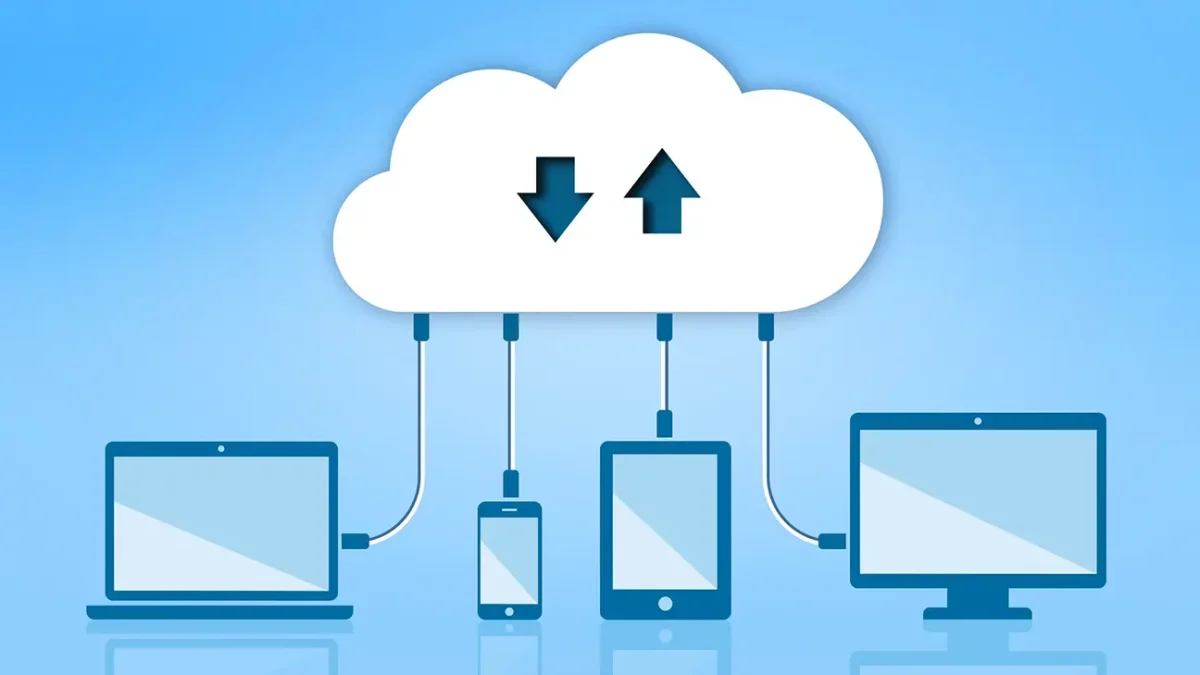
You’ve heard the term “the cloud” a thousand times. But what does that actually mean, and why are so many businesses embracing cloud computing and moving to the cloud?
What “Cloud Computing” Actually Means
Strip away the tech jargon, and the cloud is surprisingly simple: It’s professionally managed servers and storage that you access over the internet instead of maintaining equipment yourself.
Instead of running software on a server in your office, you access it through the internet from secure data centers maintained by companies like Microsoft, Google or Amazon. Instead of saving files locally, you save them to enterprise-grade storage with built-in redundancy and security. The same major technology companies that power businesses worldwide are now making that infrastructure available to companies of any size.
For businesses, cloud services mean shifting from owning IT infrastructure to accessing technology as a service. Your team still uses the same applications and files. The difference is where everything lives and who’s responsible for keeping it running.
Why Companies Are Moving to the Cloud
Flexibility to grow or shrink without huge investments. Traditional IT requires you to predict your needs months in advance and invest accordingly. Need more storage? Buy a new server. Hiring more people? Purchase additional licenses and equipment. Scaling down? You’re stuck with expensive infrastructure you no longer need.
Business cloud solutions scale with your actual needs. Add users when you hire, reduce them when people leave. Increase storage when you need it, decrease when you don’t. You pay for what you use. A small business can access the same enterprise-grade technology as major corporations without the capital investment.
Your team can work from anywhere. Cloud applications and files are accessible from any device with an internet connection. Employees working from home have the same access as those in the office. Your sales team can pull up customer information from their phones. Managers can review reports while traveling.
This isn’t just about remote work convenience. It’s about business continuity. When weather, illness or unexpected events prevent people from getting to the office, cloud-based operations keep running.
Avoiding downtime protects your business. When your on-site server crashes, your business stops until it’s fixed. You’re scrambling to find an IT technician, hoping the problem isn’t hardware failure and losing money every hour systems are down.
Cloud providers maintain redundant systems across multiple data centers. If one server fails, your applications automatically failover to another. Power outages at your office don’t affect your access to cloud systems. This level of reliability would cost hundreds of thousands of dollars to achieve on your own.
Professional maintenance happens automatically. Software updates, security patches and performance optimization happen continuously without you having to do anything. Your cloud provider employs teams of specialists maintaining systems around the clock.
Predictable costs replace surprise expenses. Traditional IT means upfront capital expenses for equipment, then unpredictable costs when things break. Cloud services operate on subscription pricing. You know exactly what you’ll pay each month.
Enhanced security beyond what most small businesses can achieve alone. Cloud providers invest millions in security infrastructure and expert security teams. They maintain physical security at data centers, implement advanced threat detection and ensure compliance with regulations like HIPAA and CJIS.
Cloud Migration Services: What the Process Actually Looks Like
The idea of “moving to the cloud” can feel overwhelming. Where do you start? What happens to your existing systems? How long does it take?
This is where having the right partner makes all the difference. A cloud migration isn’t something you should attempt on your own. Done wrong, it creates more problems than it solves. Done right, with proper planning and expertise, it transforms how your business operates.
The process starts with understanding what you currently have and what you actually need. Not every business requires the same cloud solution. Your industry, compliance requirements and how your team works all influence the right approach.
Then comes planning the migration itself. Which systems move first? How do you maintain operations during the transition? What’s the timeline? These questions need answers before anything moves.
The actual migration requires technical expertise. Files need to transfer without corruption. Applications need configuration. Security controls need implementation. Everything needs testing before going live. After migration, ongoing management ensures everything runs smoothly.
How F1 IT Handles Cloud Technology Migration
This is exactly what F1 IT specializes in. We take the complexity of cloud migration off your hands so you can keep running your business while we handle the technical work.
We start by assessing your current environment and understanding your business needs. We design a cloud solution that makes sense for how you actually work. We create a migration plan that minimizes disruption to your operations.
We handle the entire technical implementation. Your data moves securely. Your applications get configured properly. Your team gets set up with the right access and permissions. We test everything thoroughly before cutting over.
But more importantly, we don’t disappear after migration. We provide ongoing management and support. When questions arise or issues appear, we’re here. Cloud management becomes our responsibility, not another thing on your team’s already full plate.
Serving businesses in Fort Worth and across Texas, we’re compassionate, trustworthy and drama-free. We put in the work, take pride in what we do and always strive to exceed expectations, because that’s who we are.
From comprehensive IT support to government-level security compliance, we handle the complex world of technology so you can focus on what you do best: serving your clients and growing your business.
Is Cloud Migration Right for Your Business?
If you’re still running critical systems on aging servers in your office, dealing with access issues when people work remotely, worried about what happens if your server crashes or struggling to maintain and secure your systems properly, then yes, cloud migration is worth serious consideration.
The cloud isn’t right for absolutely everyone. But for most small and medium businesses, the flexibility, reliability and accessibility of cloud computing provide significant advantages over maintaining your own infrastructure.
Ready to explore what moving to the cloud could mean for your business? Contact F1 IT today to discuss building a cloud strategy that actually works for how you operate